
The Advantages of Digital Home Safes

In today’s world, protecting your valuables and important documents at home is more crucial than ever. Traditional safes have served this purpose for decades, but with advancements in technology, digital home safes have become a popular choice. These safes offer enhanced security, convenience, and peace of mind. This article explores the many advantages of using a digital home safe and why it might be the perfect addition to your home security setup.
Advantages of Digital Home Safes
Digital home safes come with a range of benefits that make them stand out from traditional mechanical safes. Here are some of the key advantages:
Enhanced Security Features
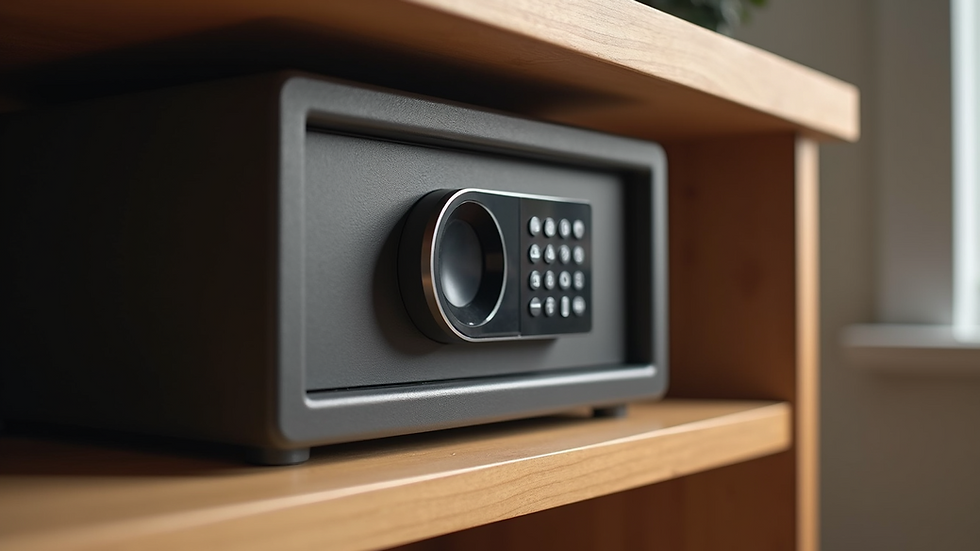
Digital safes use electronic keypads or biometric scanners, such as fingerprint recognition, to restrict access. This means only authorized users can open the safe, reducing the risk of unauthorized entry. Many models also include features like:
Time delay locks to prevent quick break-ins.
Multiple user codes for family members or trusted individuals.
Audit trails that record access history.
These features provide a higher level of security compared to traditional key or combination safes.
Convenience and Speed
One of the biggest advantages of digital safes is the ease and speed of access. Instead of fumbling with keys or spinning dials, you can quickly enter a code or scan your fingerprint to open the safe. This is especially useful in emergencies when you need to access important documents or valuables quickly.
Customizable Access Codes
Digital safes allow you to change access codes easily. If you suspect someone else knows your code, you can update it without needing to replace locks or keys. This flexibility enhances security and control over who can access your safe.
Durable and Fire-Resistant Options
Many digital home safes are built with strong materials that resist tampering and fire. This means your valuables are protected not only from theft but also from damage caused by fire or heat. Look for safes with certified fire ratings to ensure your items remain safe in case of emergencies.

Which Safe is Best for Home Use?
Choosing the right safe for your home depends on your specific needs, budget, and the type of items you want to protect. Here are some factors to consider when selecting a safe:
Size and Capacity
Think about what you want to store. For documents, passports, and small valuables, a compact safe might be sufficient. For larger items like jewelry collections or cash, a bigger safe with more storage space is necessary.
Security Features
Look for safes with advanced locking mechanisms such as electronic keypads, biometric scanners, or dual locking systems. Also, consider safes with anti-pry and anti-drill features for added protection.
Fire and Water Resistance
If you want to protect important documents and digital media, choose a safe with fire and water resistance. This ensures your items remain intact even in disasters.
Installation and Portability
Decide whether you want a safe that can be bolted to the floor or wall for extra security or a portable safe that you can move if needed. Bolted safes are harder for thieves to remove but less flexible in placement.
Budget
Digital safes come in a range of prices. While it’s tempting to go for the cheapest option, investing in a quality safe with reliable security features is worth it for peace of mind.
Practical Uses of a Digital Home Safe
A digital home safe is not just for storing cash or jewelry. It can serve multiple purposes in your household:
Protecting important documents such as passports, birth certificates, and property deeds.
Storing digital media like external hard drives, USB drives, and backup discs.
Securing firearms safely away from children or unauthorized users.
Keeping sentimental items like family heirlooms or collectibles safe from theft or damage.
By organizing your valuables in a digital safe, you reduce clutter and ensure quick access when needed.
Tips for Maintaining Your Digital Home Safe
To ensure your digital home safe continues to function properly and provides maximum security, follow these maintenance tips:
Regularly change your access codes to prevent unauthorized access.
Keep backup keys or override codes in a secure location in case of electronic failure.
Test the locking mechanism periodically to ensure it operates smoothly.
Replace batteries as recommended by the manufacturer to avoid lockouts.
Clean the keypad or biometric scanner gently to maintain responsiveness.
Proper maintenance extends the life of your safe and keeps your valuables protected.
Why a Digital Home Safe is a Smart Investment
Investing in a digital home safe is a smart decision for anyone looking to enhance home security. It offers a combination of convenience, advanced security features, and protection against various risks. Whether you want to safeguard your valuables from theft, fire, or accidental damage, a digital safe provides reliable peace of mind.
Moreover, the ability to customize access and monitor usage makes it ideal for families or shared households. You can rest assured that your important items are secure and accessible only to those you trust.
In summary, a digital home safe is more than just a storage box - it is a vital component of modern home security that adapts to your lifestyle and needs. Consider adding one to your home to protect what matters most.
By understanding the advantages and practical uses of digital home safes, you can make an informed choice that enhances your home’s security and convenience. Whether for personal or family use, these safes offer a reliable solution to protect your valuables in today’s fast-paced world.


I’ll be honest I used to think safes were just heavy boxes until I saw how smart they’ve become. Having a digital safe that connects to my phone has made me feel more in control of my important items. It’s not just for valuables it’s for peace of mind too. I was so disorganized I’d search for best assignment service UK just to keep my files straight. This post is a helpful reminder that security is also about simplicity. Cheers.
The article explains digital safety systems clearly. It reminded me that good tools can protect both stuff and time. I used Write My College Assignment when I had back-to-back submissions. It helped me organize ideas and improve my writing flow. It reminded me that good tools can protect both stuff and time. It made me realize that small, positive strategies can make a big difference both in studies and in real-life support. nice post
I thought the post made a good point about how digital home safes can really improve security by making access easier and tracking activity more clearly, especially for tech lovers and families who want peace of mind. When I was juggling projects and late nights, I used Professional Assignment Writing Service to free up time while learning about smart gadgets like these. It reminded me that good tools can protect both stuff and time.
The teaching approach at UNICCM School highlights usability and precision. Learning content is informed by professional practice. Academic accuracy supports effective application. Flexible scheduling accommodates different routines.